Misleading metrics

Don’t take statistics at face value.

ADHD diagnoses in America spike by 14% on Halloween, compared to the ten weekdays before or after that. Why? The children are examined on the day they get to wear a fun costume and collect bucketloads of candy – suggesting doctors often mistake simple excitement for ADHD.

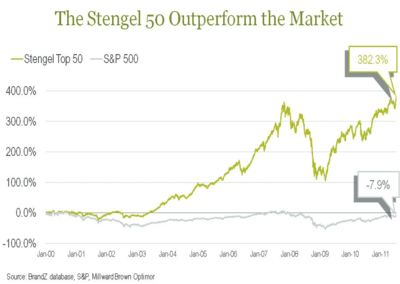
Jim Stengel, ex-CMO of Proctor & Gamble, claimed that the 50 brands with the strongest purpose outperformed the stock market. But as Richard Shotton has pointed out, the data doesn’t stack up: Stengel picked the top 0.1% of brands – in terms of growth – so it’s hard to argue this was down to purpose. Plus, his definitions of purpose were vague at best.

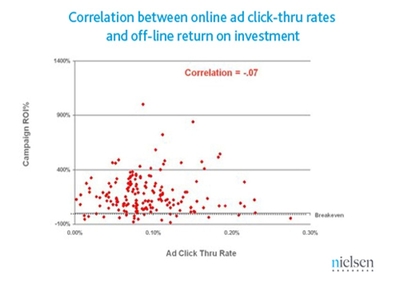
Clicks aren’t a good proxy for brand results. There is no significant correlation between click-thru rate (CTR) and any brand effect metrics, such as ad recall, brand awareness or purchase intent.

It’s true that people who participate are healthier, but that’s not a result of the programmes themselves: participants tend to be healthier beforehand. In fact a randomised study found that these schemes have no significant impact on healthy behaviours (or medical spending and absenteeism for that matter).

Recent studies suggest so, but it’s a big misinterpretation. Excellent follow up research from KCL, exploring different question wordings, shows that Gen Z do indeed want a strong leader – but not if it means a dictator who gets rid of elections. In reality, Gen Z are calling out for better political decision making and not the end of democracy.

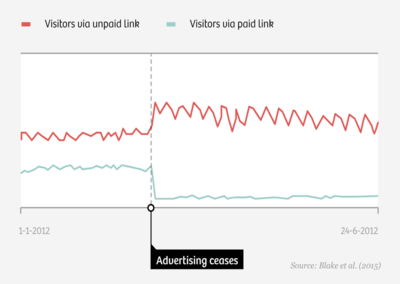
In 2011, Insiders at eBay were convinced their Google search ads were increasing website traffic. After all, the data showed that the more money spent on these ads, the more people clicked on the link to the eBay website. In reality, the ads weren’t causing more people to click on the link – they were simply guiding a growing number of people who were already looking for it. eBay eventually switched off the advertising and found a negligible impact on traffic.

GDP has always excluded parent childcare, volunteering and other unpaid work from its calculation. More recently, it has failed to properly account for much of the digital economy. For instance, Facebook is only counted by its advertising revenue ($40 per user per year) but our willingness to pay for the service is much higher at $600 a year. These and other omissions explain why, to quote John F Kennedy, “GDP measures everything except that which makes life worthwhile”.

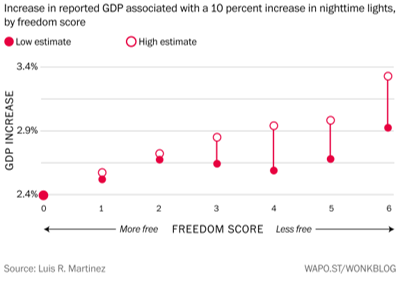
How do you prove that these regimes are inflating their GDP figures? Use satellite data. By tracking changes in nighttime lighting – a measure of consumption and activity that is hard to fake – researchers found a clear link between lack of freedom and inflated figures.

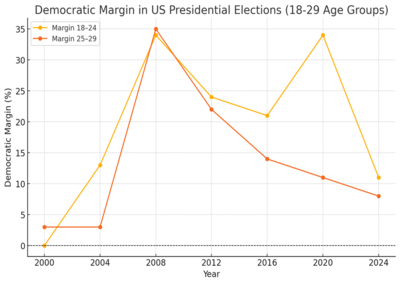
It’s not new to say generations are misleading, but voting behaviour makes it clear to see: in the 2024 US election, Kamala Harris’s winning margin declined by 23 points among 18-24 year olds but only 3 points among 25-29 year olds. Technically, these age groups are both part of Gen Z.

Graduates of top universities earn more in the future, but how much of that is down to the teaching? After all, the best universities are more likely to receive applications from people who are already bright. One study got around this by analysing students who got into top US colleges, like Stanford and Yale, but decided not to go. Interestingly these students didn’t seem to suffer by attending less-selective schools. Apparently, an acceptance letter from Stanford is just as good as going.

Hard Numbers, a PR company, claims that bosses of unicorns – start-ups worth $1 billion – who post regularly on LinkedIn and have lots of followers are more successful at raising money. But does one really lead to another? Or is the more likely case that successful business owners end up attracting lots of followers?

The London Underground Map says the quickest route from Lancaster Gate to Paddington is to travel two stops, change lines, and travel two more. As anyone familiar with the area knows, it’s much quicker to ditch the Tube and walk – the 500 metre journey between the stations takes seven minutes.

Sir Alex Ferguson noticed that defender Jaap Stam was making fewer tackles than in previous seasons. The data convinced the manager that Stam was past his prime, leading Ferguson to transfer him to Italian club Lazio. But in reality Stam was making fewer tackles because he was making more interceptions and keeping the ball more as a result: his performance was improving, not declining. Ferguson later conceded, “without a question, I made a mistake there. Jaap Stam was the one.”

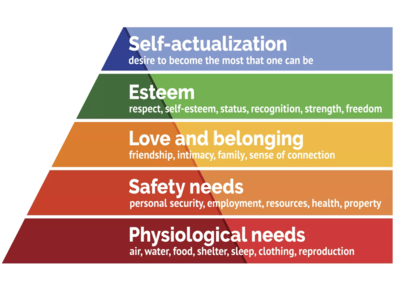
The famous framework suggests we must satisfy psychological needs before social needs – safety before friendships – but in reality there is no strict order. Even when we are hungry, we can be happy with our friends.

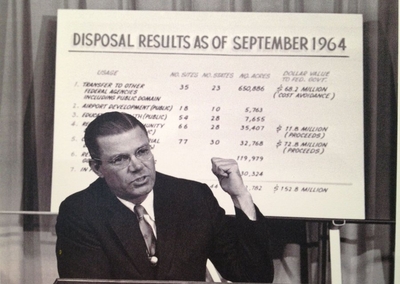
The McNamara fallacy – making a decision based solely on quantitative observations and ignoring all others – is named after Robert McNamara, US Secretary of Defense during the Vietnam war. He measured success solely by tracking body count, which, although quantifiable, ignored crucial factors the enemy’s guerilla tactics and the loyalty of its soldiers.