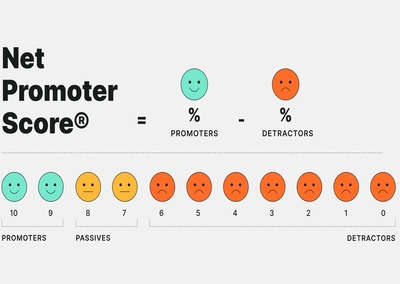
NPS is a simple way of gauging customer experience, but don’t confuse that with a measure of growth: studies consistently show that NPS changes don’t predict market share.
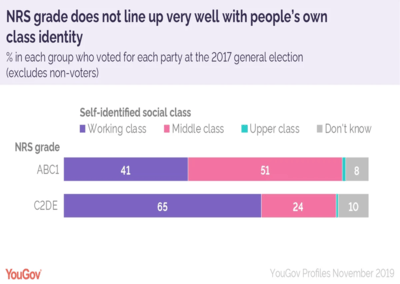
Our standard measure of social class was never designed to describe class – it was meant to describe occupation. ABC1 is the term for those who work in administrative or professional roles, and is now the common label for middle class, but only half of this group considers themselves to be so.
Brands often claim that customers who like their social media pages tend to spend more. But a study from the Journal of Marketing Research shows this is just correlation. Joining a brand’s social network has no impact on consumer attitude or behaviour; it is simply a symptom of preexisting fondness for the brand.
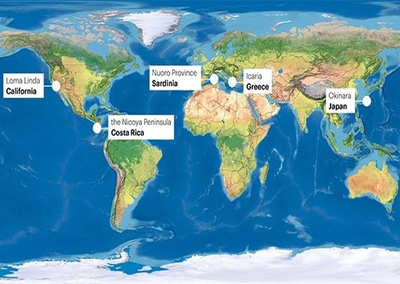
The outstanding predictor of longevity isn’t diet or exercise – it’s patchy birth records. Introducing proper records in the late 19th century reduced by more than two-thirds the number of babies who would eventually seem to reach the age of 110. That suggests that, until recently, seven out of 10 apparent supercentenarians were, in fact, younger than claimed.
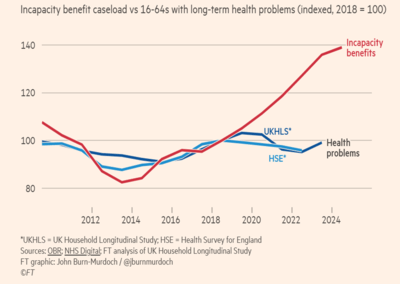
The UK has seen a steep rise in worklessness due to long-term sickness, but what does this really tell us? It actually says more about the benefit system than public health. Health problems aren’t becoming more common, but health-related payments have become more generous than unemployment benefits; making it more attractive for the workless to cite health as a reason for not having a job.
The opening of a new Waitrose supposedly adds £36,000 to the value of nearby properties. But this ‘Waitrose effect’ is the result of reverse correlation: the supermarket chooses store locations that are already expensive.