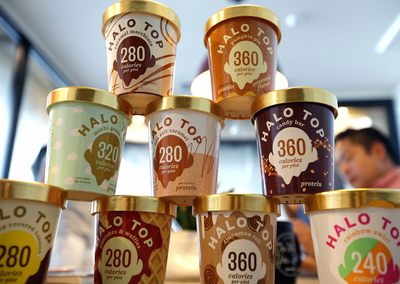
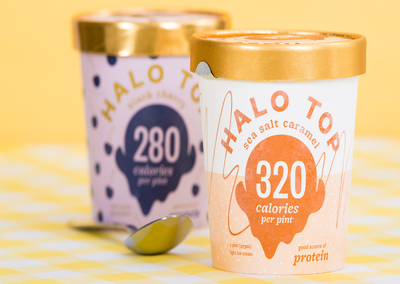
In January 2016 Halo Top ice cream was making a few hundred thousands in revenue, but its big break came when a GQ writer detailed eating nothing but Halo Top for 10 days. According to co-founder Doug Bouton, “it put millions of eyeballs on the product” and doubled the brand’s sales within a month.
Business & Brands
When you use Grammarly’s (premium) plagiarism checker, it warns you that “we are checking your work against billions of webpages. It may take a while.” The fact it’s not frictionless gives you confidence that the results will be legit.
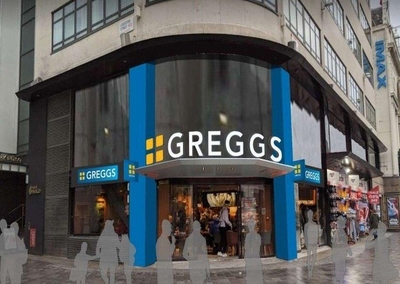
Greggs has focused on occasions to expand its customer base. Although traditionally a breakfast bakery, extended opening hours means the evening (post 4pm) is now the business’s fastest-growing meal time. It even won a licence to open its Leicester Square branch until 2am on weekends. And with sales up by 20% in 2023, the ambition to ‘mean more to more people’ is certainly paying off.
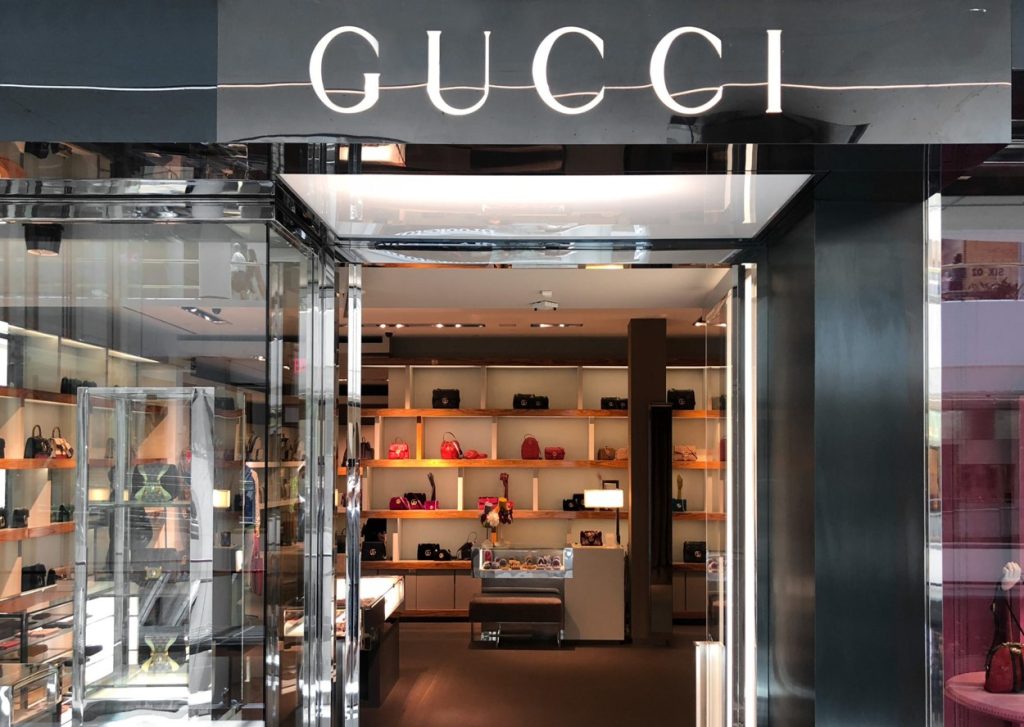
Before his fame and as a young student in New York, Tom Ford visited the townhouse of a fellow designer Halston. “I copied everything, the long, low grey couches, everything, from Halston’s apartment for the Gucci store design.” Ford loved the actual Halston place so much that he bought it in 2019.
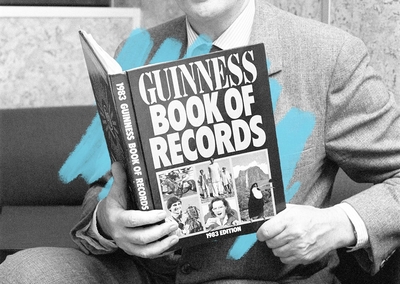
In 1951, Sir Hugh Beaver, then managing director of the Guinness Breweries, became involved in an argument over which was the fastest game bird in Europe – the golden plover or the red grouse. He realised that there was no book to settle the argument, and knew that there must have been lots of other questions debated nightly among the public. So he created the Guinness World Records.
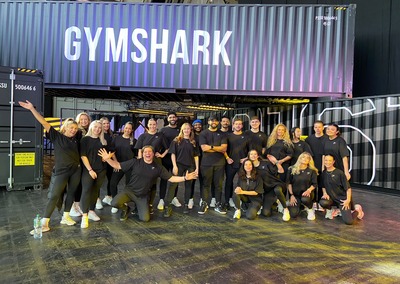
The brand was born online, but Gymshark is now heavily investing in physical marketing; recently opening its flagship store on Regent Street in London, and routinely hosting live events where hundreds of fans exercise together.
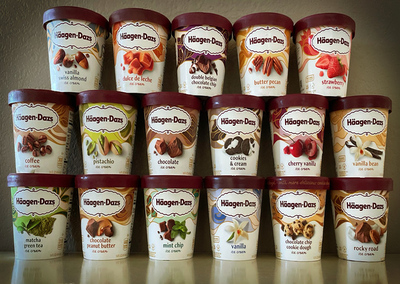
Reuben Mattus coined the name “Häagen-Dazs” to make the (American) brand sound more Danish. Interestingly letters like “ä” and digraphs like “zs” do not actually exist in Danish.
Halo Top was started by an ex-lawyer who, in his own words, “just wanted to eat an entire pint of ice cream and not hate himself for it.”
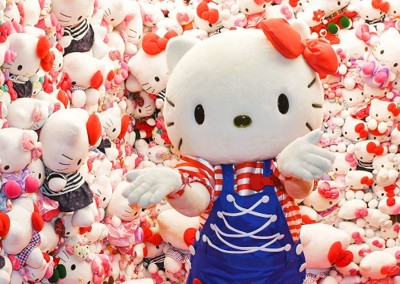
The iconic Japanese toymaker is no longer just a toymaker – it’s a high-margin global licensing platform. Nearly half of its revenue now comes from royalties and IP partnerships.
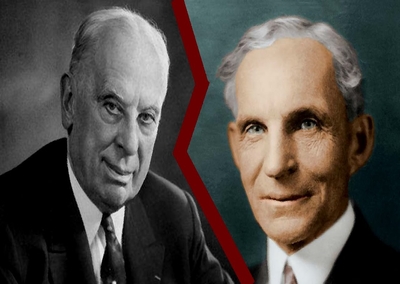
They were the most successful industrialists of the 20th century, but their philosophies were poles apart. For Ford the car was everything: a means of improving welfare and achieving global peace. For Sloan it was merely a product: “the primary object of the General Motors corporation is to make money, not just to make motor cars.”
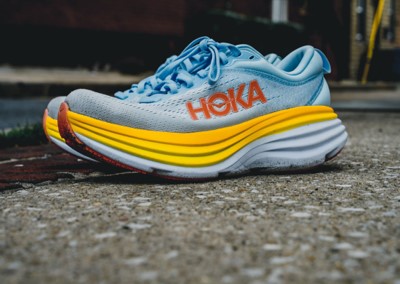
The billion dollar shoe brand actively limits its distribution to maintain a sense of scarcity and value. Until recently the shoes were available in less than 20% of Dick’s sporting good stores – and company executives sound proud of how few places you can find a pair of Hokas.
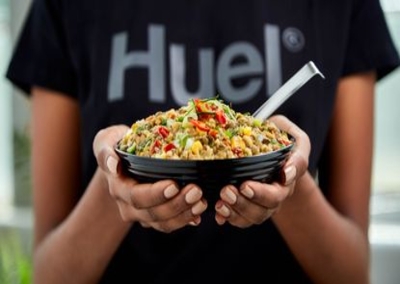
Originally positioned as a meal replacement solution for time pressed gymgoers, Huel has increased revenue by extending its range; it now includes hot and savoury meals, such as pasta bolognese and curries, as well as snack bars. According to CEO James McMaster, “it widens our ability in the future to go into more markets, where maybe it’s less about the pace of life and more about a need for great nutrition.”
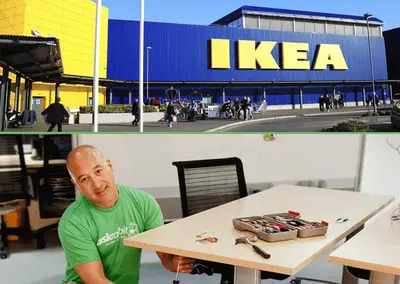
Although we think of Ikea as a furniture seller, its stated mission is much broader: to create a better everyday life for the many. Need a helping hand with odd jobs round the house? Ikea acquired TaskRabbit in 2017. Need affordable financial services? Ikea acquired Ikano Bank in 2024.
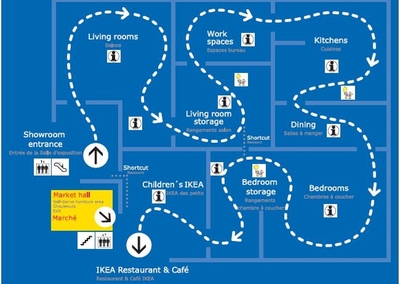
At Ikea, you have to walk through the entire maze-like store to get to the checkout, and if you buy something, you have to assemble it all yourself. Hardly easy, but nowadays how many other stores are people genuinely excited to visit?
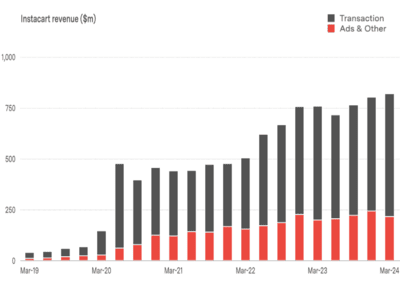
The food delivery business is slowly becoming an advertising business: a quarter of its revenue comes from brands promoting on its website.