Business & Brands

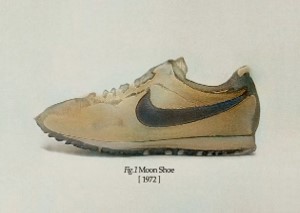
Nike started out as a running shoe manufacturer, long before it ventured into casual shoes and apparel. As co-founder Phil Knight explains, “we just tried to get our shoes on the feet of runners… we thought the world stopped and started in the lab and everything revolved around the product.”
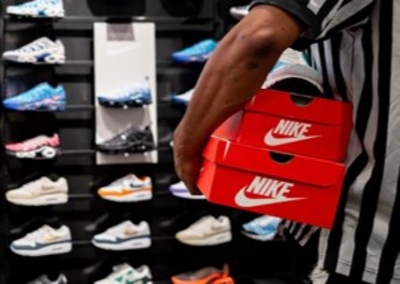
When the brand pursued a DTC model, and ended hundreds of long term partnerships with retailers, it quickly realised the importance of mass distribution: many light buyers couldn’t find Nike products in their usual stores and simply didn’t buy them. Sales declined 8% in 2024.

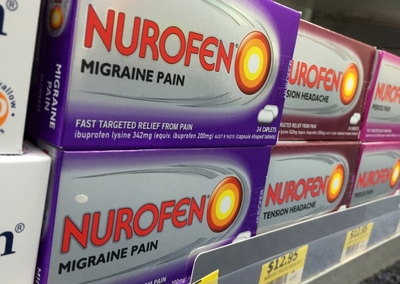
Nurofen contains exactly the same chemical as ibuprofen, but can be seven times as expensive. When it comes to pain relief, we assume expensive products must be better.

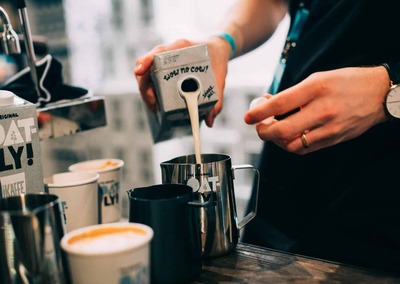
In a quest to dominate the US market, Oatly sent representatives to high-end coffee shops to share the product with local baristas. The baristas, effectively controlling distribution, would then recommend and their oat milk with customers.

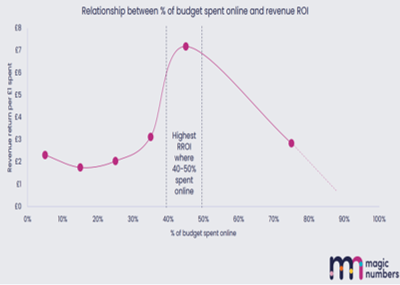
And yet, as Grace Kite shows, campaign ROI is highest when 40-50% of the budget is spent online. Just because they’re unconventional, it doesn’t mean they’re ineffective.

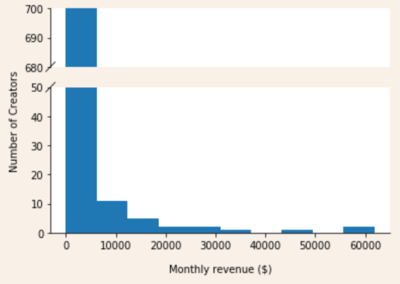
OnlyFans pays out $7 billion to its content creators, but the split is far from even. The top 1% of accounts make 33% of all the money and the top 10% of accounts make 73%.

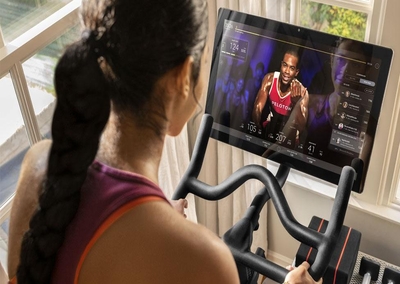
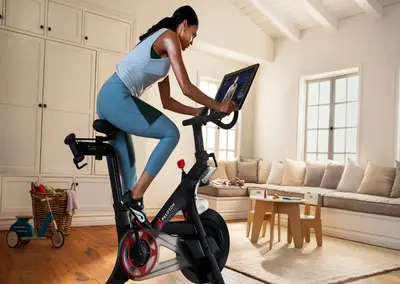
According to John Foley, then CEO of Peloton, “in the very, very early days, we charged $1,200 for the Peloton bike for the first couple of months. And what turned out happening is we heard from customers that the bike must be poorly built if you’re charging $1,200 for it. We charged $2,000 dollars for it, and sales increased, because people said, ‘Oh, it must be a quality bike.’”

The meteoric rise of Peloton suggested gyms were a thing of the past. Why travel to exercise when you could do it in your living room? Yet the company’s share price remains 97% below its 2020 peak, and it has recently started renting bikes to help shore up its losses.

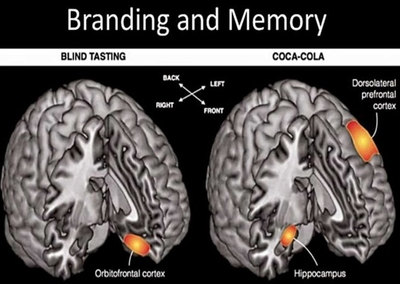
In 2003, neuroscientist Read Montague added an FMRI twist to the Pepsi Challenge. In a standard blind taste test, the brain region associated with seeking reward was highly active, and Pepsi still came out on top. But things changed when volunteers were told what they were drinking. This time, Coke was the clear winner, and the area of the brain associated with thinking processes lit up. In other words, the expectation of drinking Coke made it more enjoyable.

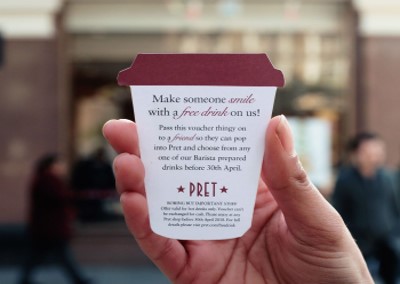
A voucher with a twist: it’s designed to be passed on to a friend. As a result the final recipient gets a nice drink, but most importantly the giver ends up happier than if they’d kept the voucher.

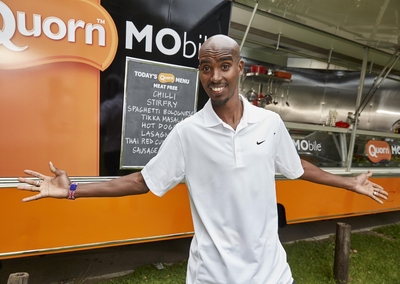
Quorn initially targeted their products at vegetarians and vegans. After all, who else would want to buy plant-based meals? But they soon discovered that these meals also appealed to health conscious non-vegans. This insight led Quorn to rebrand as a ‘healthy food’ company, famously partnering with openly meat-eating Mo Farah, and helped them massively expand their buyer base (and sales).

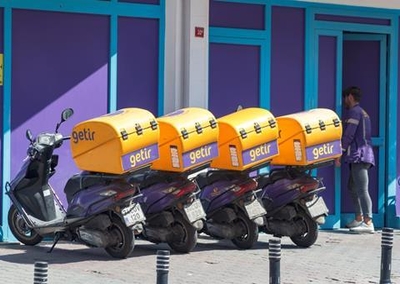
Getir was valued at £9 billion in early 2022 – one of the many rapid delivery apps that thrived off pandemic restrictions. But two years later it exited the UK market, after the return to physical shopping meant it struggled to turn a profit (especially with competition from existing takeaway apps like Deliveroo).

The celebrity dating app currently has a 2.5 million person waitlist, but a user base in the low six figures. Why doesn’t it let more people in? According to CEO Daniel Gendelman this exclusivity is the very key to its success: Raya is thriving because lots of people aren’t on it – but want to be.

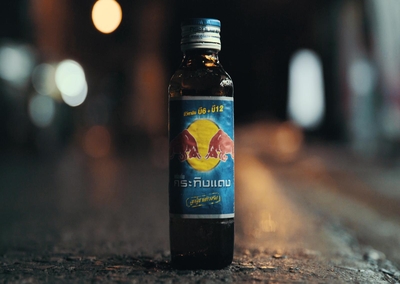
When Dietrich Mateschitz visited Thailand in 1982, he discovered Krating Daeng: a locally sourced drink that helped to cure his jet lag. He was so impressed that he decided to adapt it for a western audience: Red Bull.

In 2022, Google adjusted its search algorithms to surface Reddit threads more often. The result? Reddit went from 57 million visits from Google US to 427 million in less than a year. Reddit’s own numbers told a similar story: its total traffic was growing by 50% with no signs of slowing down.