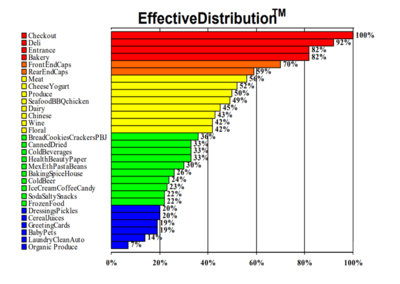
Some supermarket sections, like the bakery, are visited by almost every shopper, while others, like greeting cards have few visitors. According to shopper scientist Herb Sorensen, 85% of in store behaviour can be accounted for by shoppers’ location, rather than the products in front of them.
In surveys, shoppers tend to say they visit most of the supermarket. But observational studies show that most cover a small fraction of it, and only 2% visit more than ¾ of the total area.
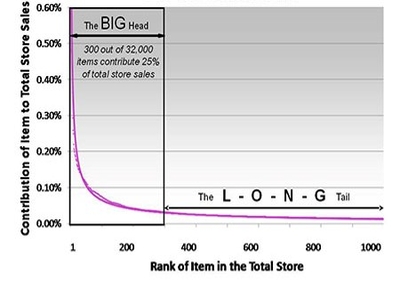
Big supermarkets sell over 40,000 products, but they’re not made the same: the top 300 account for 25% of sales. (If you’re interested, bananas and milk are usually bought most often).
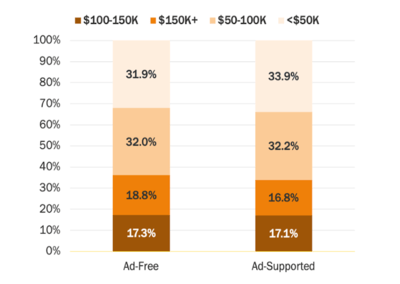
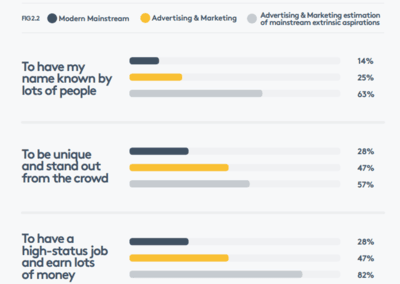
Services like Netflix have started to include a cheaper, ad supported option to their offer – but interestingly, compared to the ad-free version, it’s not attracting people with less money.
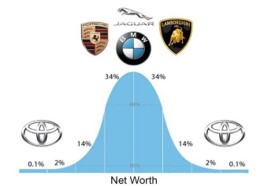
Most people who own trucks don’t use them. 75% of truck owners tow something once a year or less, and a third don’t haul anything at all. In other words, truck ownership is mostly a form of costly signalling.
TV subtitles were designed as a hearing aid, but they’re now used as an attention aid. That’s why under 30s are more likely to use them than any other age group, even for shows in their native language.
50% of vinyl buyers don’t actually own a record player. Some music fans want to see and touch their favourite albums without wanting to listen to them.
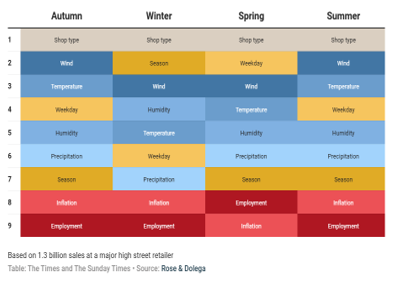
Weather is not just for small talk – it has a greater impact on a store’s sales than either inflation or unemployment. Interestingly, of the four weather conditions assessed, wind is most likely to influence shopping.
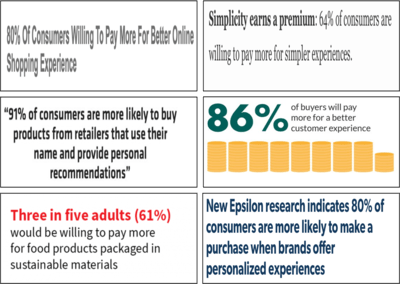
If you ask consumers, there is almost nothing they apparently won’t pay more for. But in reality many of these add-ons don’t change behaviour. Tip: don’t use a simple yes / no format in surveys. Instead ask consumers to trade off an offer versus something else.
The WFH genie is slowly going back in the bottle. The number of companies requiring employees to turn up three or more days a week rose from 67% in 2023 to 75% in 2024. Nearly one in three companies insist that employees are in the office for a full five days. And 83% of business leaders polled by KPMG, an auditor, say they expect a full return to the office by 2027.