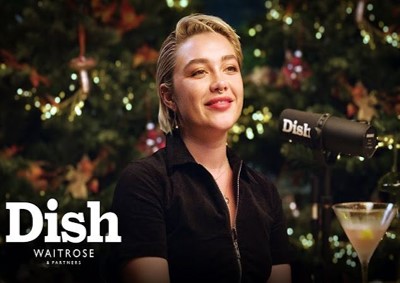
The Waitrose branded podcast gets more than 10 million views every week, and has hosted the likes of Florence Pugh, Tom Holland and Shania Twain. When a recipe is chosen for an episode, it leads to a 5,000% spike in searches for it on the Waitrose website.
All Threads
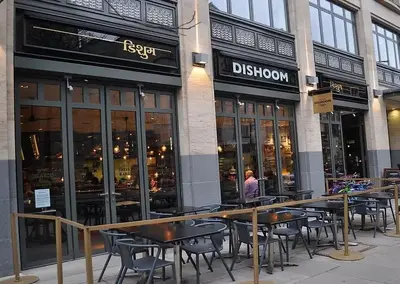
Chain restaurants scale by offering a consistent experience, but Dishoom bucks the trend; each restaurant has a unique story behind it, informing everything from the décor and music to the lighting and bar menu. For example, the King’s Cross design is based on the events of the Indian independence movement, with old anti-colonial posters on the walls. This approach requires more time and thinking, but it undoubtedly contributes to the restaurant’s cult following.
The unusual exterior of Disney Hall is iconic in the world of architecture, but it’s the result of strict limitations on internal design; Frank Gehry & Yasuhisa Toyota had to create a vineyard-style seating arrangement to make the audience feel close to the orchestra, and there are no boxes or balconies to avoid social hierarchies. As Toyota says, “surround style is more intimate.”
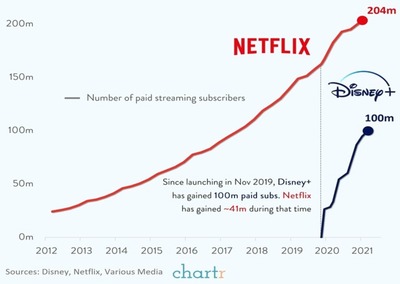
It took Netflix 10 years to reach 100 million subscribers. It took Disney Plus just over one, thanks to Disney’s incredibly strong, century long, brand equity. (Though admittedly Netflix has won the streaming wars for the time being – leading the market with 300 million subscribers.)
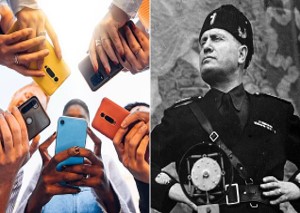
Recent studies suggest so, but it’s a big misinterpretation. Excellent follow up research from KCL, exploring different question wordings, shows that Gen Z do indeed want a strong leader – but not if it means a dictator who gets rid of elections. In reality, Gen Z are calling out for better political decision making and not the end of democracy.
In the US, ‘report cards’ provide data on the performance of cardiac surgeons. Unfortunately, they incentivise doctors to avoid operating on the severely ill – instead choosing patients who might not even need it.
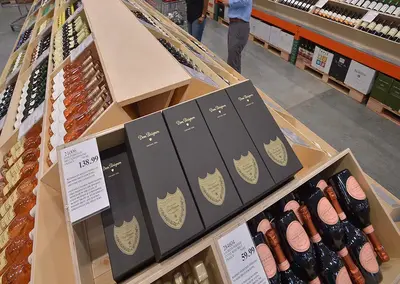
Dom Pérignon is synonymous with luxury, but it still needs to reach a big audience. The discount retailer Costco sells more bottles than any other retailer in the US.
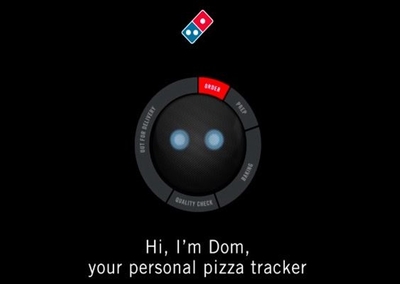
To solve the challenge of quick and easy delivery, Domino’s Pizza turned to those doing it best: ecommerce leaders. Taking learnings from players like Amazon, it allowed customers to save an ‘easy order’ that they can request in just a few clicks, and created the Domino’s Tracker – the first food delivery service to update customers on their pizza order in real time.
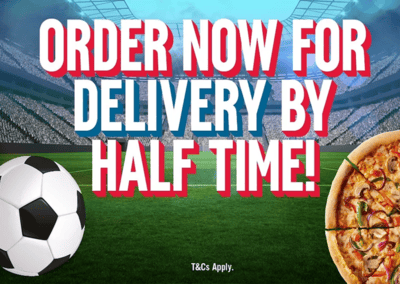
Domino’s has an “order now for half time” ad that airs just before football matches on Sky Sports. It’s a clever, contextual way of encouraging people to use the product at specific moments.
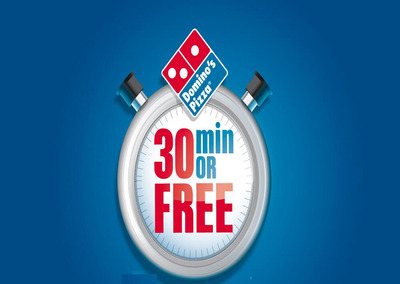
For years, Domino’s Pizza had a promotion that guaranteed delivery within 30 mins or the pizza was free. But it meant delivery drivers often sped to make the deadline which caused a number of accidents, with one crash victim suing Domino’s for $79m. The chain shut the promotion down, citing “public perception of reckless driving and irresponsibility.”
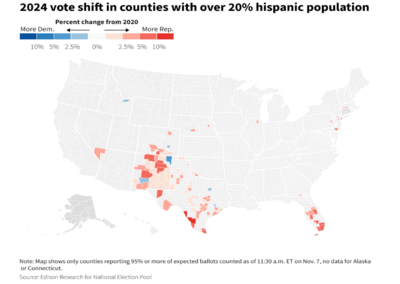
In the 2024 election, Donald Trump made gains of +14 points among Latino voters, despite his condemnation of certain immigrants as “drug dealers”, “murderers” and “rapists.” It turns out that ethnicities don’t always predict attitudes, and the promise of low prices is more important than people think.
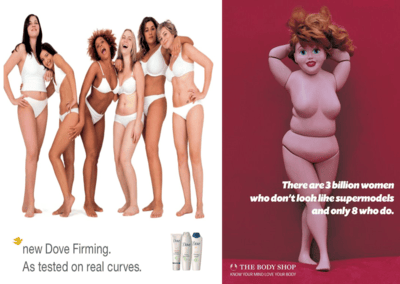
The campaign was praised for shattering beauty stereotypes in advertising, and contributed to a doubling in sales. Yet its core insight is remarkably similar to the one in a Body Shop campaign that ran seven years earlier: “there are 3 billion women who don’t look like supermodels and only 8 who do.”
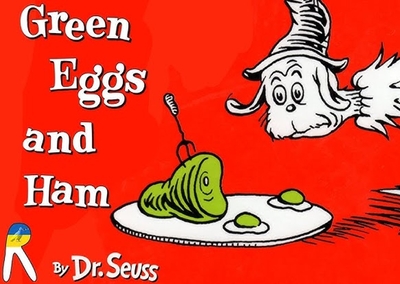
There were 236 different words in Dr. Seuss’s 1957 book The Cat in the Hat. So Bennet Cerf, Geisel’s publisher and co-founder of Random House, challenged Geisel to write a children’s book with only 50 different words, and they bet $50 on the outcome. In 1960, Dr Seuss delivered Green Eggs and Ham with exactly 50 different words. He won the bet and the book has sold ~10 million copies over its lifetime.
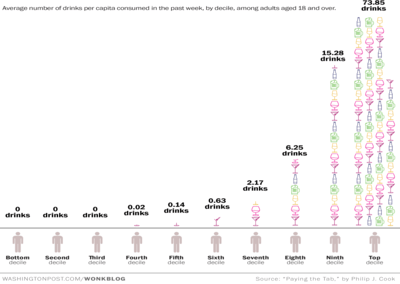
30% of Americans don’t drink at all, while the top 10% have 74 drinks per week.
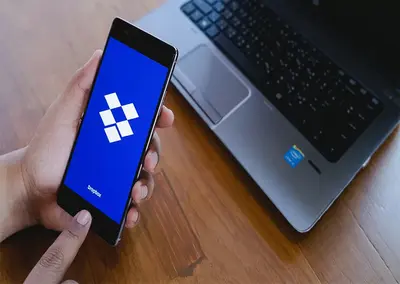
In the early days of Dropbox, 60% abandoned the service and the team couldn’t figure out why. So they offered $40 to a man on Craigslist to use it in person, and quickly found people couldn’t understand seemingly basic features.