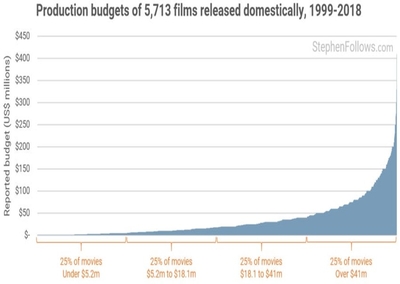
Between 1999 and 2018, half of all movies released in US cinemas cost under $18 million to make. At the other end of the scale, a rare few cost over $350 million, such as Pirates of the Caribbean On Stranger Tides and Avengers Endgame. So the answer to the question – how much does a film cost to make? – is that it depends.
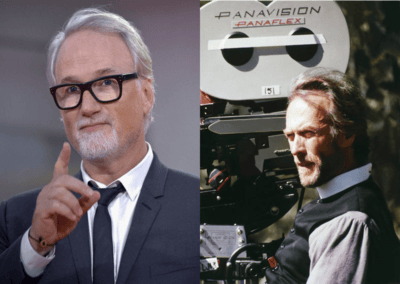
David Fincher shoots upwards of 70 takes for certain scenes, insisting that actors require to loosen up and get into character. Meanwhile Clint Eastwood tries to use only one take per scene, trusting his cast and his crew to provide what they’ve been hired to provide. Neither technique is objectively better or worse – they just suit different needs. After all, both directors are celebrated Oscar winners.
Steven Spielberg has made a blockbuster in almost every single genre: science fiction, war, historical drama, fantasy, horror. Meanwhile, Alfred Hitchcock, the master of suspense, became Britain’s most celebrated director by sticking to one.
First Direct effectively told people: you can’t visit us in store, because we don’t have branches, but instead we’ll give you brilliant customer service over the phone. The company’s two million customers now get to enjoy an average 39 second telephone wait time versus eight minutes for the wider industry.
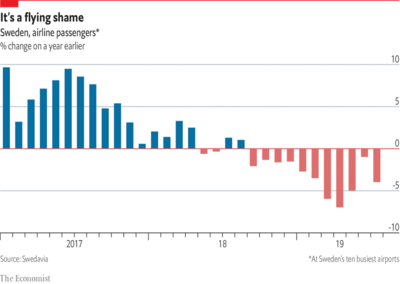
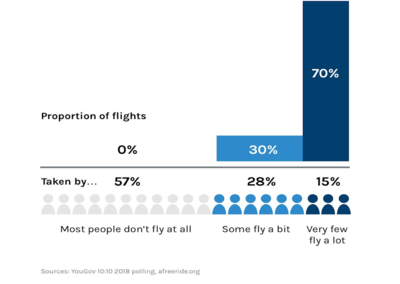
In 2018, Swedes coined a new term, Flygskam, or “flight shame”, to describe the embarrassment that travellers feel about their environmental impact. This phenomenon has helped to decrease passenger numbers by 8%, while train travel has boomed.
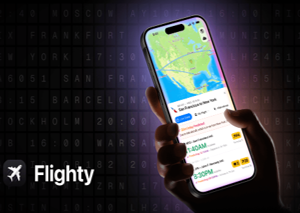
An app made by aviation geeks – for aviation geeks. According to the CEO, the company’s seven employees still ask themselves the simple question that has informed all of their choices from the start: “What would we want?”
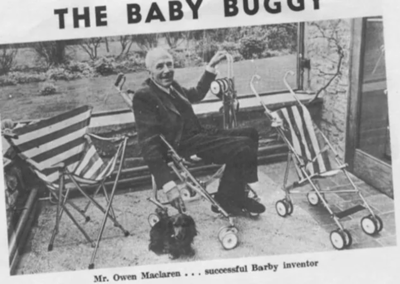
Owen Maclaren designed the undercarriage for the Spitfire, Britain’s most famous warplane, and years later applied the same thinking to create the first foldable pram. Aluminium rods enabled the plane undercarriage to retract and fold into the fuselage, so he used the same material for his prams.
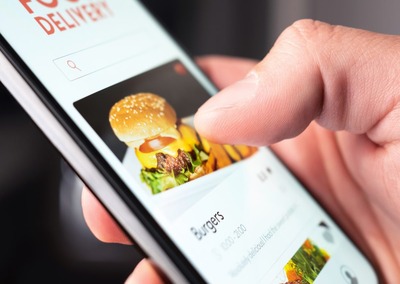
The answer to health eating lies in defaults. An Oxford University study shows that simply putting healthy meals at the top of delivery app menus results in people ordering 200 fewer calories per meal. On the other hand, sales data shows that calorie labels on restaurant menus have virtually zero impact on behaviour.
In a six-week cafeteria experiment, sales increased with a single evocative addition to the menu; ‘Succulent Italian Seafood Filet’ had 27% higher sales than ‘Seafood Filet’.
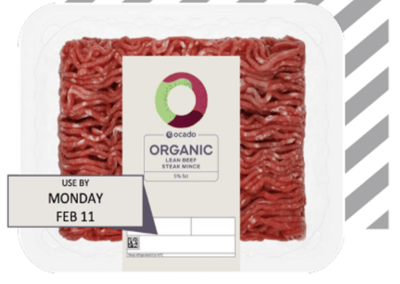
The UK wastes over 7 million tonnes of food annually, and a significant portion of that is food thrown away because it’s past the use by date. So the charity WRAP, in partnership with Ogilvy, introduced ‘days on date labels’ – a brain friendly labelling system that displays both the day and the date on the use by label. Although only in pilot stage, the concept has been rated well by consumers and shows promise for the future.
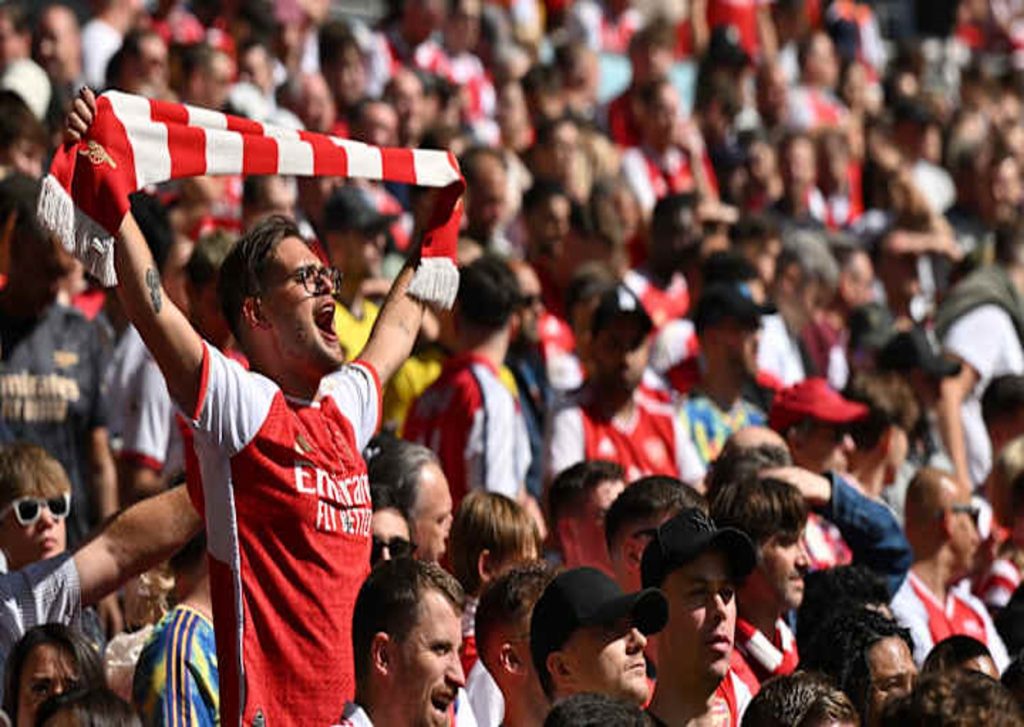
Every fanbase thinks their chants are the best, but they all have the same (surprising) origins. Some are based on hymns, such as “Cwm Rhondda” spawning “You’re not singing anymore.” Others are based on classical music, like Elgar’s “Land of hope and glory.” But my favourite example of stolen creativity: “You’ll never walk alone” comes from the 1945 Rodgers and Hammerstein musical Carousel, and is now used by Liverpool, Celtic and Borussia Dortmund.
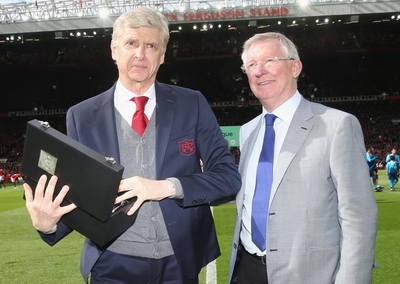
Until the mid 2000s the Premier League was dominated by two managers – Arsène Wenger and Sir Alex Ferguson – who collectively won 11 of 12 titles. But their managing styles couldn’t have been more different. Wenger would stay silent for the majority of the half time break, believing that players needed to calm down before they could think and communicate clearly. Meanwhile Ferguson was synonymous with the ‘hairdryer treatment’ – screaming at players, and in one instance kicking a boot at David Beckham’s head.