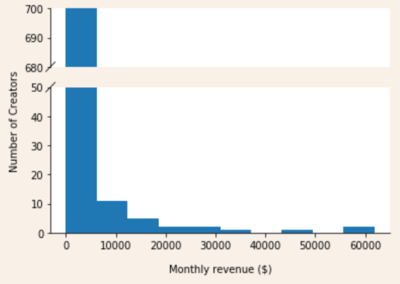
OnlyFans pays out $7 billion to its content creators, but the split is far from even. The top 1% of accounts make 33% of all the money and the top 10% of accounts make 73%.
At three Michelin-starred Osteria Francescana, a sous chef accidentally dropped a lemon tart before serving it. All he saw was failure, but the head chef, Massimo Bottura, saw an opportunity. He used it create a new dessert called ‘Oops I dropped the lemon tart’ – a tart served upside down and smashed, which “pokes fun at our daily striving for perfection and pristine beauty.”
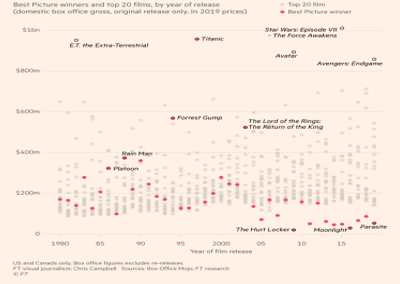
Oscar winners are becoming less successful at the box office. In other words, a growing gap between what critics rate and what audiences want to watch. Reminiscent of advertising?
You often hear it has declined from 12 seconds in the year 2000 to eight seconds now. The problem is that the statistic has no reliable source, and the very concept of attention span is misleading given it is task dependent. After all, it didn’t stop people watching the entirety of Baby Reindeer in one go.
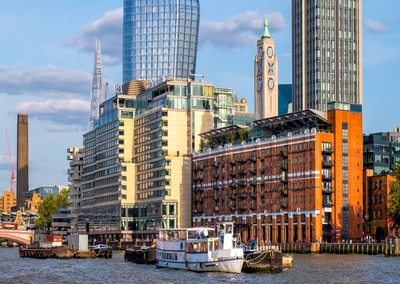
Advertising was banned on the Thames in the 1920s, so gravy manufacturer Oxo decided to build their logo into the windows at the top of their tower. It’s now one of London’s most iconic buildings.
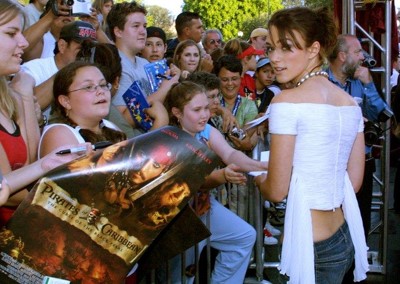
“In any other circumstances, if ten men were outside your house shouting abuse every time you left, you would say, ‘That’s simply an abuser — someone who’s mentally ill.’ But because they’ve got cameras, it’s allowed.”
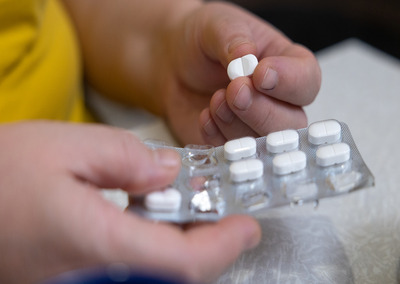
What led to a 43% reduction in deaths from paracetamol in the 1990s? Smaller packs. The government reduced the number of pills in each pack from 32 to 16, making it harder for people to overdose.
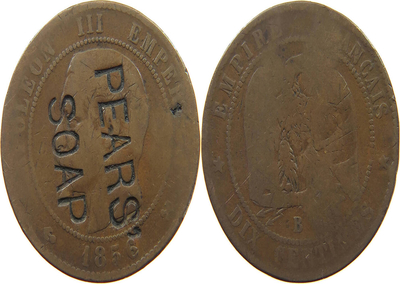
Thomas J. Barratt understood media principles long before they were in textbooks. In the 1860s it was illegal to tamper with British coinage, but French centimes were still legal tender in Britain. So he imported 250,000 centimes, engraved them with ‘Pears’ soap’ – the brand he managed – and put them into circulation.
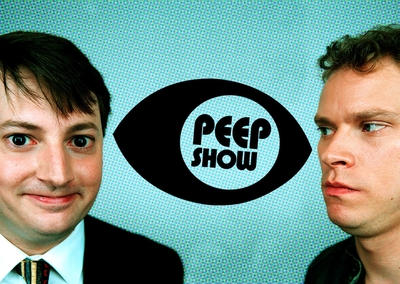
It was unlike any other sitcom before or since: largely shot in the first person and voiced by an inner monologue. The creators nicked this idea from something completely different – a documentary about the model Caprice Bourret called Being Caprice.
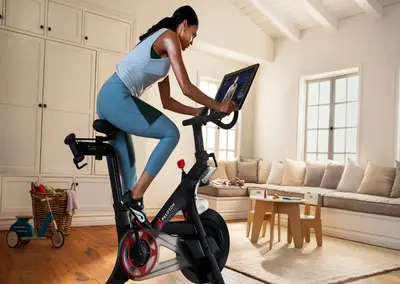
According to John Foley, then CEO of Peloton, “in the very, very early days, we charged $1,200 for the Peloton bike for the first couple of months. And what turned out happening is we heard from customers that the bike must be poorly built if you’re charging $1,200 for it. We charged $2,000 dollars for it, and sales increased, because people said, ‘Oh, it must be a quality bike.’”
The meteoric rise of Peloton suggested gyms were a thing of the past. Why travel to exercise when you could do it in your living room? Yet the company’s share price remains 97% below its 2020 peak, and it has recently started renting bikes to help shore up its losses.
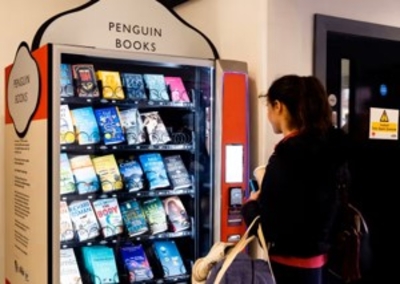
In 1934, Sir Allen Lane was waiting at Exeter St Davids for a train back to London, and found himself without a book to read. All that was on offer at the station bookstall were magazines and Victorian reprints. He decided that high quality, engaging, and reasonably priced books should be available to everyone, anywhere. He created Penguin Books the following year.
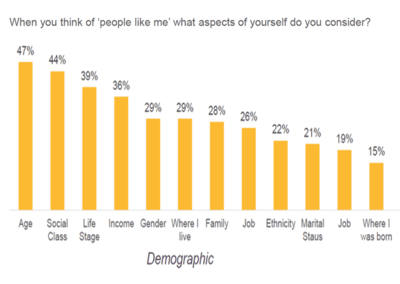
It’s a phrase used time and again in brand tracking, but as Andrew Tenzer points out it’s not particularly helpful: it means many different things, depending on who you ask.