Ex-footballers have different views on the age-old England midfielder debate: they pick the one they played with. Gary Neville says Scholes, Jamie Carragher says Gerrard, and John Terry says Lampard.
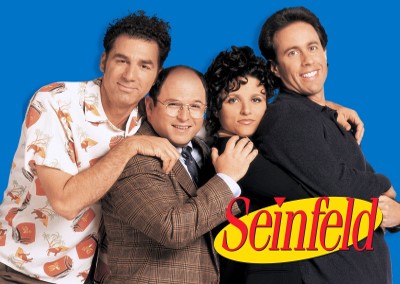
The most successful sitcom of the 90’s was a product of pet peeves. As Jerry Seinfeld explains, “it’s very important to know what you don’t like. A big part of innovation is saying, “You know what I’m really sick of?”” As viewers of the show will know, what makes it special is the relatability of the characters’ problems.
The world’s greatest playwright was a serial borrower. All of Shakespeare’s plays were inspired by original source material; Hamlet comes from the Old Norse Saga of King Rolf Kraki, while A Midsummer Night’s Dream was based on Ovid’s Metamorphoses and Chaucer’s The Canterbury Tales.
Shein sells clothes for every need and occasion, but it was originally a portal to buy wedding dresses; branching out into womenswear in the early 2010s and to all types of fashion a few years later.
In the film Sicario, Josh Brolin’s character pauses and looks away before he reveals the big plot twist: the FBI is trying to create single Colombian-run business that the US can more easily control. But the pause only came about because Josh Brolin forgot his lines.
The Sidemen channel recently released an eight part ‘Big Brother’ style YouTube series, which gained over 10 million views (more than the 2024 Prime Minister debate and Love Island combined). TV in disguise.
The Oscar-winning film Sideways did more for Pinot Noir than any wine seller could have dreamed of. The film’s hero, a schoolmaster and wine snob played by Paul Giamatti, loathes merlot and loves pinot noir, its less favoured rival. In the weeks after the film opened Sainsbury’s reported a 20% surge in pinot sales, while across the US sales increased by 16%.
It’s not hard to find iconic slogans that break this rule. FedEx (When It Absolutely, Positively Has to Be There Overnight), Patek Philippe (You never actually own a Patek Philippe. You merely look after it for the next generation), Avis (We’re number two, so we try harder), MasterCard (There are some things money can’t buy. For everything else, there’s MasterCard). Sometimes a few extra words creates a memorable rhythm.
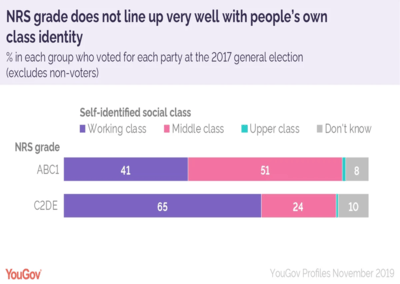
Our standard measure of social class was never designed to describe class – it was meant to describe occupation. ABC1 is the term for those who work in administrative or professional roles, and is now the common label for middle class, but only half of this group considers themselves to be so.
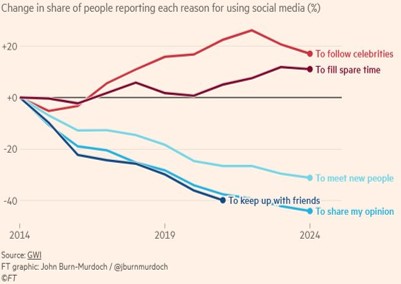
Social media is no longer social – we are using it less to keep up friends, and more to pass the time and to follow strangers. In fact a recent FTC filing revealed that only 17% of time spent on Facebook involves consuming content from friends, with the majority spent watching random videos recommended by the algorithm.
Brands often claim that customers who like their social media pages tend to spend more. But a study from the Journal of Marketing Research shows this is just correlation. Joining a brand’s social network has no impact on consumer attitude or behaviour; it is simply a symptom of preexisting fondness for the brand.
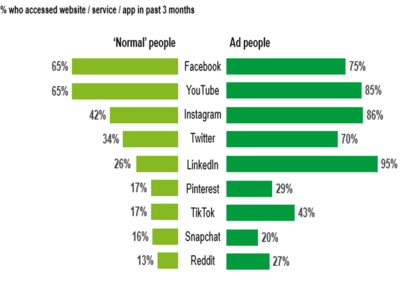
Ad people are much more likely to use social media than the general public. It’s no wonder that so many marketers overestimate its effectiveness within the media mix.
This one idea underpins the ads from Suddenly Fragrances (Lidl’s own brand) & Surreal, yet the two resonate differently – celebrity references feel more natural for perfume than cereal.