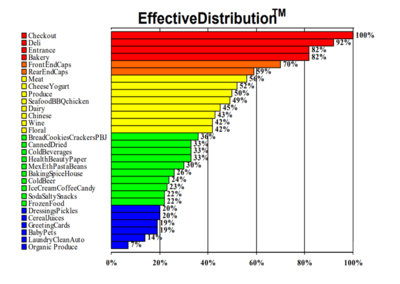
Some supermarket sections, like the bakery, are visited by almost every shopper, while others, like greeting cards have few visitors. According to shopper scientist Herb Sorensen, 85% of in store behaviour can be accounted for by shoppers’ location, rather than the products in front of them.
In surveys, shoppers tend to say they visit most of the supermarket. But observational studies show that most cover a small fraction of it, and only 2% visit more than ¾ of the total area.
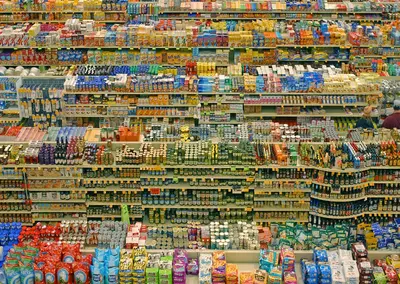
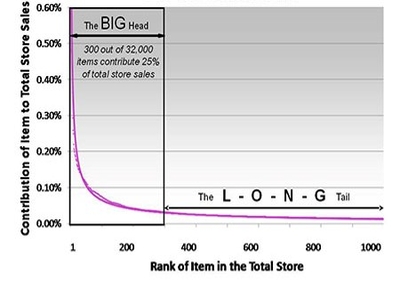
Big supermarkets sell over 40,000 products, but they’re not made the same: the top 300 account for 25% of sales. (If you’re interested, bananas and milk are usually bought most often).
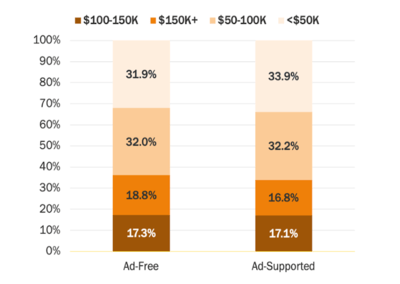
Services like Netflix have started to include a cheaper, ad supported option to their offer – but interestingly, compared to the ad-free version, it’s not attracting people with less money.
Swingers, the mini golf bar concept, wouldn’t exist with a healthy dose of ignorance. According to co-founder Jeremy Simmonds, “we were so naive and knew so little about the hospitality industry. We did not have a business plan, there was no spreadsheet or model. Nothing. I can’t tell you how many people who are so-called experts in this space warned us against doing all the things we did, that it couldn’t work.”
Rocket launches are synonymous with countdowns (T minus), but this wasn’t a scientific invention. Austrian filmmaker Fritz Lang invented the countdown in his 1929 silent film Woman in the Moon, as a way of building suspense for the fictional launch. NASA adopted it as common practice decades later.
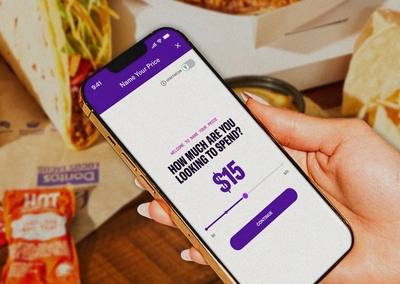
The Taco Bell app has a feature that asks you how much you are willing to spend, and creates a combination of items accordingly. A smart innovation that saves consumers having to do mental maths.
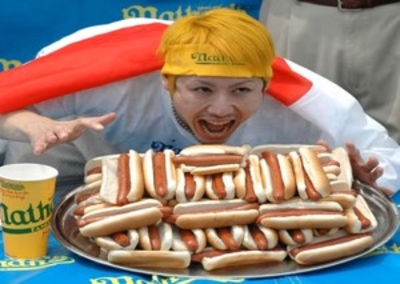
Dubbed the “godfather of competitive eating,” Kobayashi revolutionised the sport with a range of new techniques; breaking hot dogs in half rather than eating them whole, eating the dog and bread separately, and dipping the rolls in water to make them easier to swallow.
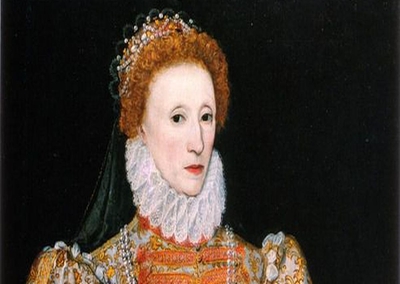
Having a tan wasn’t always desirable. For a long time having a tan meant you were poor, because the working class were out in the sun doing hard work. And pale skin was considered the height of beauty.
One evening, Leah Busque realised she had run out of dog food and was worried all the shops would be closed. “We were certain that there was someone in our own neighbourhood that would be willing to help us out, and it was just a matter of connecting with them.” A few months later, she created TaskRabbit.
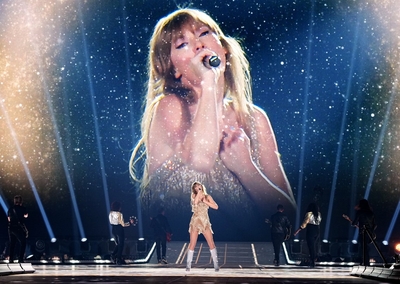
How do you add £1 billion to the UK economy? Ask Taylor Swift to perform live. The UK leg of her 2024 Eras tour was attended by 1.2 million people, leading to a huge spike in spending on accommodation, food, transportation and entertainment.