VAR has only helped to magnify the subjectivity in Premier League refereeing; it just means those decisions now take several minutes, and they happen in an office not on the pitch.
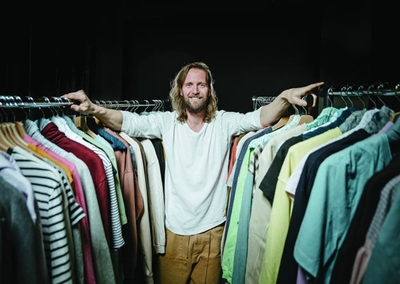
The online marketplace was started by Milda Mitkute, a 22 year old student, who had a wardrobe stuffed full of clothes but couldn’t fit them all in her small flat. What if she could sell them online?
50% of vinyl buyers don’t actually own a record player. Some music fans want to see and touch their favourite albums without wanting to listen to them.
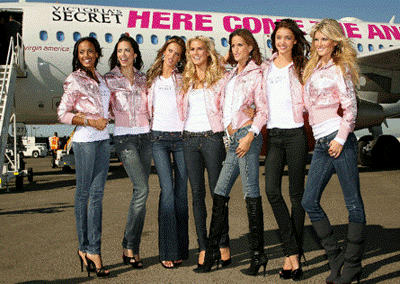
With the goal of “putting glamour back in the sky” but with insufficient money to launch a traditional advertising campaign, Virgin Airlines used the plane itself as a source of publicity; hosting a Victoria Secret’s pyjama party during a flight, and featuring an advanced screening of the HBO TV show Entourage. The constraint brought originality and freshness that a normal campaign would have lacked.
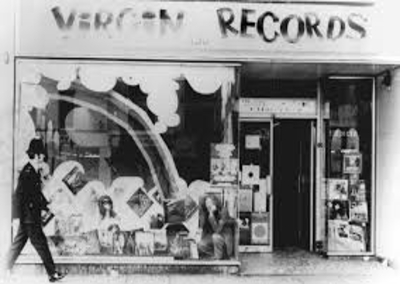
Richard Branson set up Virgin Records when he was only 20 years old. Lacking experience in the music industry – and business more broadly – he promoted music that he thought was cool, even though it was shunned by traditional labels. It was this alternative positioning that built the brand’s fame, helping it sign musicians like the Rolling Stones and the Sex Pistols.
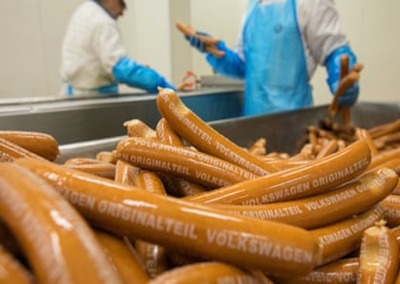
Cars aren’t even VW’s best selling product. They produce roughly 8 million currywursts (sausages) every year, which they sell in factory restaurants, as well as supermarkets and football stadiums.
Audi’s iconic slogan was inspired by a factory tour. In the words of its creator John Hegarty: “I had gone to Ingolstadt and found the factory and I saw a very old faded poster on the wall that someone had left up there,” Hegarty says. “I saw this line ‘Vorsprung durch Technik’. They said that was an old advertising line but ‘we don’t use it any more’. And it stuck in my brain.”
Does the UK public want to change the voting age? Well, it depends on the wording. 52% support giving 16 and 17 year olds the right to vote, but only 37% support reducing the voting age from 18 to 16.
In 2025 the U.K. government passed the Online Safety Act, forcing internet users to prove their age when accessing potentially harmful content. But the legislation prompted a different behaviour. Data from Google Trends showed that searches for VPN skyrocketed, while one provider (Proton VPN) confirmed an hourly increase in sign-ups of over 1,400%.
The opening of a new Waitrose supposedly adds £36,000 to the value of nearby properties. But this ‘Waitrose effect’ is the result of reverse correlation: the supermarket chooses store locations that are already expensive.
In 1992 the 100-year-old Wensleydale creamery was in danger of closing, but luckily Wallace & Gromit came along. The iconic TV duo helped to revive the cheese’s popularity, and when the 2005 full-length film, The Curse of the Were-Rabbit, was released, sales increased by 23%.