People are 2.5x more likely to switch brands after a major life event e.g. new job, marriage, retirement. (Note, this is based on claimed brand usage).
All Threads
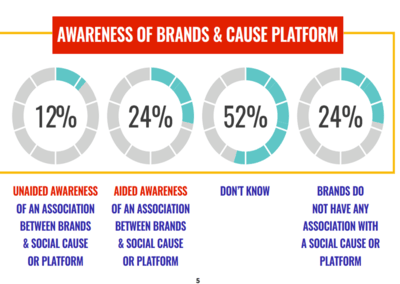
Marketers love to point out that consumers buy brands based on social values. But the truth is most consumers have no idea what these values are. On average, 12% of consumers can spontaneously link a brand to its social cause. And even when shown a list of social causes, only 24% link a brand to the correct one.
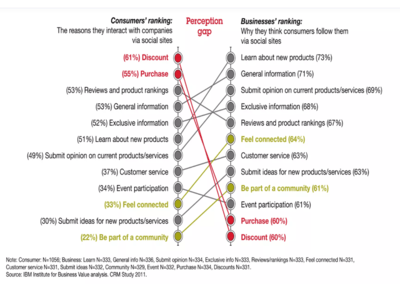
People follow brands on social media to buy products and save money, not to feel deep connection – as marketers assume.
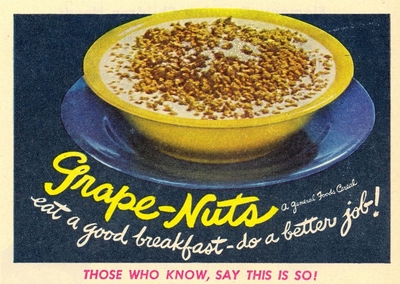
In 1944, a marketing campaign for Grape Nuts would be unleashed called “Eat a Good Breakfast — Do a Better Job”. Radio ads used to say: “nutrition experts say breakfast is the most important meal of the day.” This marketing phrase became soaked into our lexicon ever since.
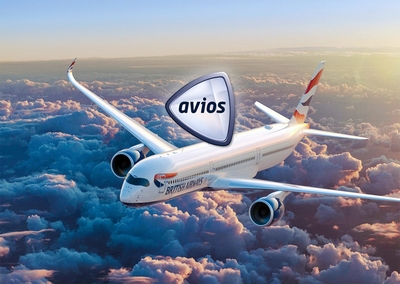
British Airways make a quarter of their profit (£320m) from Avios points.
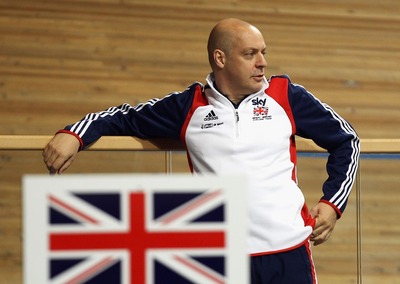
Sir Dave Brailsford is synonymous with the concept of marginal gains, having relentlessly pushed his British Cycling team to find 1% improvements; everything from rubbing alcohol on the tires for more grip, to testing different types of massage gels for optimal muscle recovery.
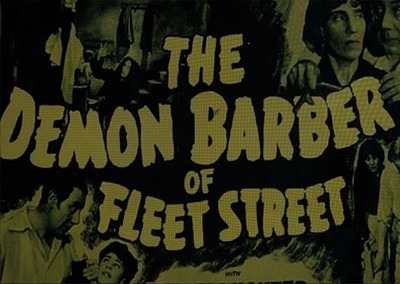
In 1927 British cinemas specified that a proportion of films shown had to be made in Britain. So to avoid losing out, American studios set up production facilities locally and churned out ‘quota quickies’. Many of the films, like the Demon Barber of Fleet Street, were so bad that they were screened to empty cinemas while cleaners were working.
If you’ve ever come up with your Bucket List then you have Hollywood to thank for it. Computer programmers had occasionally used the term in a different context, but its current meaning – the things you want to do before you die – originated from the 2007 film with the same name.
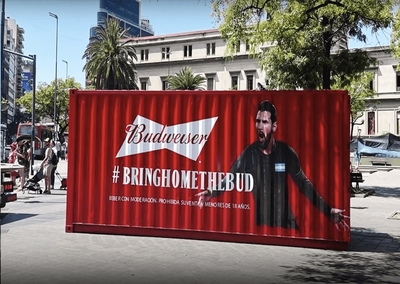
Budweiser had a problem at the 2022 World Cup: Qatar, the host nation, banned the sale of beers. Rather than letting millions of litres of beer go to waste, the brand created a campaign called #BringHomeTheBud, stating that the company would send all the beers to the winning nation. A smart way of standing out and earning publicity during a potential crisis.
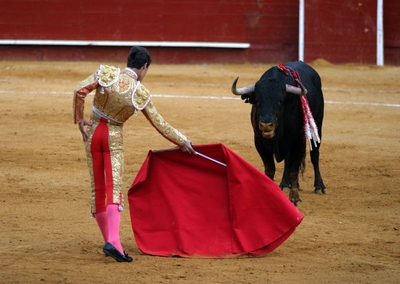
Actually, bulls are colourblind to red, so it’s not the bullfighter’s cape that makes them angry – it’s the movement of the cape.
In the early days of Bumble, founder Whitney Wolfe Herd noticed signs banning social media apps in university classes. So she decided to hang additional signs, with Bumble included on the list of forbidden apps. “No one knew what Bumble was yet, so when we associated ourselves with these products … we inserted ourselves into the assumption that that would be the app that they would want to use in class,” she said. “All of a sudden, those downloads started going up.”
At age 22, Whitney Wolfe helped launch Tinder, but left a few years later before filing a lawsuit against the company alleging sexual harassment. The ensuing attention from the media – and cyberbullying from strangers – prompted her to launch Bumble, a dating app where women make the first move.
In 1519, Hernán Cortés (literally) burnt bridges when he and his men set foot for the first time in continental America – a surefire way of avoiding desertion during the Spanish conquest of the Aztec Empire, and an early example of commitment devices in action.
99% of UK businesses have fewer than 250 employees, and 75% have no employees whatsoever.
The drumming gorilla is one of the most iconic campaigns of the 21st century. Yet the “Trucks” sequel failed to engage audiences, despite sharing exactly the same campaign idea. Inanimate objects simply don’t resonate as much as (seemingly) real animals.