It set out to destroy newspapers. “We will wait every local paper out and let them continuously bleed until we are the last ones standing,” said founder Alex Mather in 2017. Then, in 2022, it became one. The New York Times acquired it, promising unparalleled reach and greater user retention.
All Threads
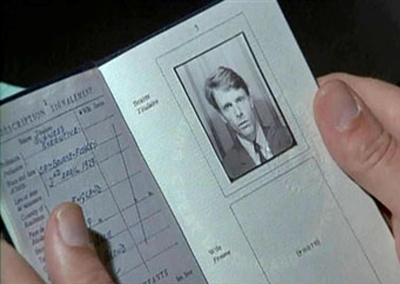
In the bestselling thriller, an assassin uses the birth certificates of dead babies to obtain fake passports. Unfortunately for the authorities, this publicised a genuine loophole in the system – the Identity and Passport Service (IPS) uncovered 1,200 cases involving the use of dead people’s identities, and it was only in 2012 (35 years after the book was released) that the loophole was closed.
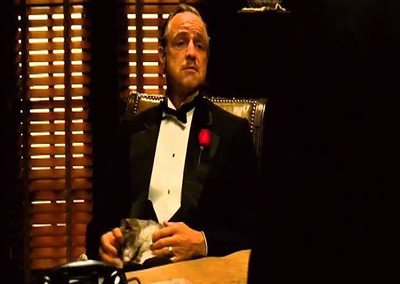
In one of the film’s most iconic scenes, Don Corleone scolds a man for visiting him on the day of his daughter’s wedding – while petting a cat. Was the cat a metaphor for Vito’s cunning nature, or perhaps his soft and calm exterior that bellies his brutal acts? Neither. According to director Francis Ford Coppola, “the cat was not planned for, I saw the cat running around the studio, and took it and put it in his hands without a word.”
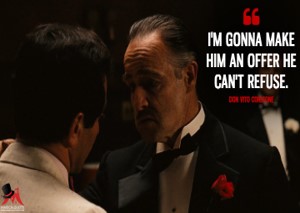
Don Corleone is most famous for it, but he didn’t create it. The quote goes back to Honoré de Balzac’s 1835 novel Le Père Goriot, in which the character Vautrin tells Eugene: “In that case I will make you an offer that no one would decline.” It just goes to show that creativity can be found in seemingly irrelevant places.
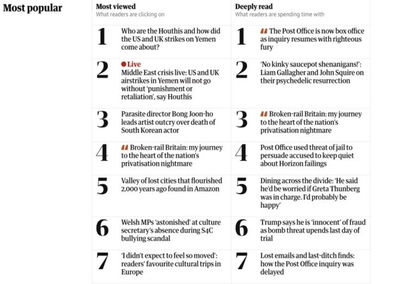
The newspaper recently released a new way of showing content popularity: the articles people are spending the most time with. A nice way of demonstrating quality, and an antidote to clickbait headlines.
The Holocaust – perhaps the ultimate symbol of human evil – wouldn’t have been possible without a highly advanced railway system (Reichsbahn). At its peak, 1.6 million workers were employed to develop the network – the main transportation to concentration camps. One historian called the Reichsbahn “the largest enterprise in the capitalist world between 1920 and 1945.”
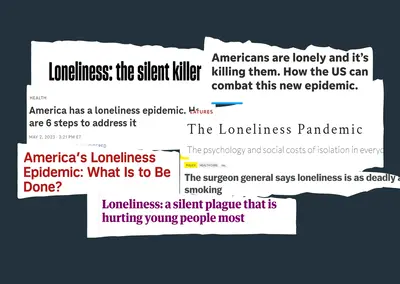
It’s certainly a societal issue, but it’s not getting worse. Research from Brunel University has shown that the proportion of people experiencing chronic loneliness has remained steady for 70 years, with 6-13% saying they feel lonely all or most of the time. Yes, it’s true that more people are living alone around the world, but loneliness and aloneness are not the same – the most restful activities, like reading and listening to music, are all done alone.
TikTok is more than a video platform – it’s a place for discovery. An Adobe report suggests that 40% of Gen Z consumers use it as a search engine: looking for new recipes, fashion advice, workout routines and much more. In other words, TikTok is fast becoming a vital battleground for brand promotion.
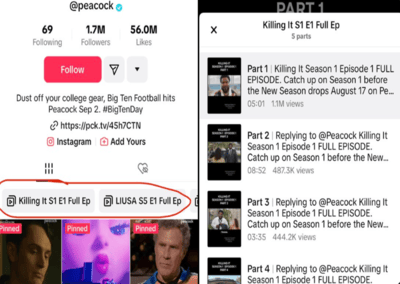
TikTok has started to upload full episodes of TV shows. The pilot of Killing it, a new comedy show, racked up 4.5M views in 3 days.
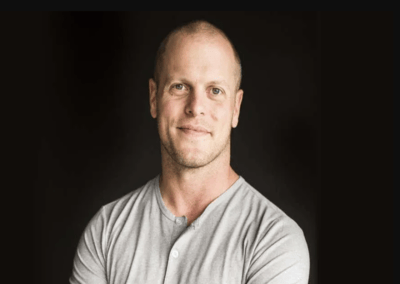
The author of five #1 New York Times bestsellers says this about writing: “I started out basically imagining I was writing for a stadium full of replicas of myself—which made things easy because I already knew exactly what topics interested them, what writing style they liked, what their sense of humor was.” In short, focus on what you want to read, not what you think others will want to read.
A recent Stanford study shows that half of Tinder users aren’t interested in meeting offline, and nearly two-thirds are already married or in a relationship. It turns out that social connectedness and entertainment are key motivations to start swiping.
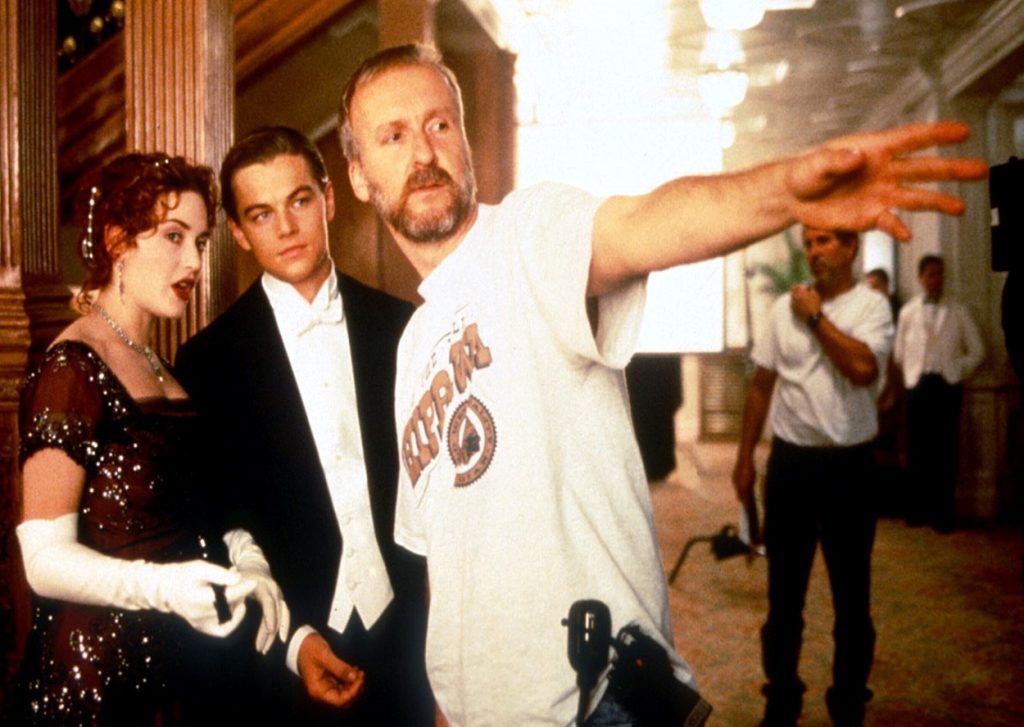
At one point the highest grossing film of all time, Titanic was really the fortunate result of a hobby. In the words of James Cameron, “I made Titanic because I wanted to dive to the shipwreck, not because I particularly wanted to make the movie… when I learned some other guys had dived to the Titanic to make an IMAX movie, I said, ‘I’ll make a Hollywood movie to pay for an expedition and do the same thing’.”
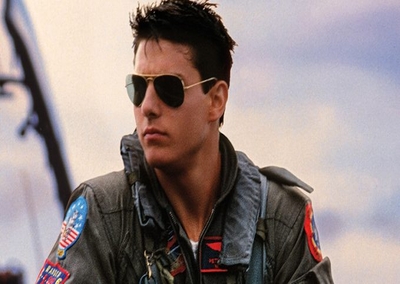
Need to save your company from going bust? Ask Tom Cruise to use your product. Ray Ban was struggling in the early 1980s, selling 18,000 pairs of its Wayfarer glasses. But just when the company was about to discontinue the range, Tom Cruise wore them in the film Risky Business and sales increased by 50%. Three years later, when Top Gun was released, Ray-Ban saw another massive increase of 40%. By the end of the decade Ray Ban was selling 1.5 million pairs annually.
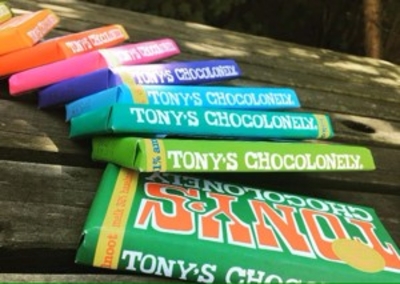
Ben Greensmith, the UK manager of Tony’s Chocoloney, credits the brand’s growth to clever placement: in 2020 Ocado wanted to send a free gift to loyal customers during the pandemic and bought 400,000 bars of Tony’s Chocolonely to give out with orders. Before that “no one had heard of the company, and now 58 per cent of the UK population recognises our milk chocolate bars. That’s pretty incredible.”
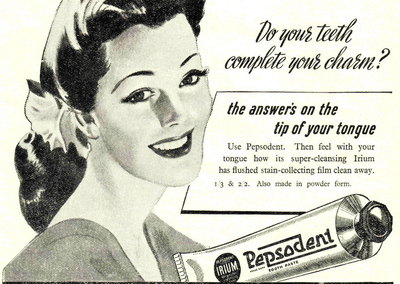
Claude Hopkins, an ad executive, almost single handedly created the habit of toothbrushing. His campaigns for Pepsodent turned it into one of the best-known products on earth, with everyone from Shirley Temple to Clark Gable bragging about their ‘Pepsodent smile.’ Before the campaigns appeared, only 7% of Americans had a tube of toothpaste in their medicine chests. A decade later, that number had jumped to 65%.